NBA 2K16 creators sued for using Kobe's, LeBron's copyrighted tattoos
Solid Oak Sketches is suing the makers of NBA 2K16 for using copyrighted tattoos in the game.

NBA 2K16 is incredibly realistic. Even players' tattoos are extremely detailed in the game as they look just like they do in real life. While little details like how a player's tattoo looks enhances the game, it also has gotten the makers of NBA 2K16 in a bit of trouble.
According to ESPN's Darren Rovell, Solid Oak Sketches is suing the creators of NBA 2K16 for using copyrighted tattoos without their permission:
A company that owns the right to tattoos on NBA players is suing Take-Two Interactive and Visual Concepts, makers of the popular video-game franchise "NBA2K," for graphically representing those tattoos on NBA players without its permission.
Solid Oak Sketches filed suit on Monday in New York federal court, saying that particular tattoos depicted on players in the recent game NBA2K16 was the company's copyrighted work.
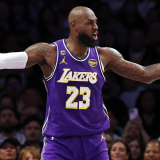
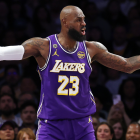
The eight infringed-on designs include a child's portrait and script scrolls with clouds and doves on LeBron James' forearms and butterflies on Kobe Bryant's arm.
Solid Oak Sketches got the copyrights to most of the tattoos last year and, as evidenced by exhibits submitted in the lawsuit, had written letters to the video game company to make an arrangement so that the tattoos could be used in the game. Solid Oak offered to Take-Two a license to the tattoos for $1.1 million.
"It's clear that they knew that this was something that was to be negotiated," said Darren Heitner, whose firm, Heitner Legal, is co-representing the plaintiff.
Besides for James and Bryant, Solid Oak Sketches also cited tattoos on DeAndre Jordan, Eric Bledsoe and Kenyon Martin in their lawsuit.
Rovell further reports that Solid Oak Sketches and the creators of 2K16 had discussions with each other about the licensing of the tattoos but those talks ended with no resolution. Now Solid Oak Sketches is seeking a resolution in court and could end up profiting a lot more than the $1.1 million that was originally discussed.