SEC makes the right decision in pushing for collaborative football replay system
The conference needed this system to progress forward

By
Jon Solomon
•
3 min read

DESTIN, Fla. -- Say what you want about college football officiating -- and trust me, I've said a lot. But the SEC absolutely made the right move to push the NCAA to allow for an experimental year of collaborative replay through a command center.
Coming soon to the SEC (and some other conferences, such as the ACC): The best replay officials weighing in on all of the replay calls.
"As I said to the athletic directors, we're going to have three hoss instant replay guys (in the SEC command center)," SEC officiating coordinator Steve Shaw said.
What's it mean? The SEC will have three replay officials watching games all day from the conference office in Birmingham, Alabama, and working with replay officials at each game to assist on calls.
Why do it? Because while it is true replay is still filled with subjective decisions, for too long, college football replay calls have become way too inconsistent. The inconsistency became magnified with the targeting penalty, which results in an automatic ejection and can dramatically impact the result of a game.
"I think the big thing for coaches is the ejection part," Auburn coach Gus Malzahn said. "When you lose a player, some of those calls have kind of been in a gray area. The more people that can be in central command to give one person advice, it does nothing but help."
One of the biggest challenges with replay has been how little training exists to determine who is good and who is bad at reviewing calls. Power Five conferences can identify good on-field officials at smaller conferences or in the high school ranks, but it's not like there's a feeder program at those lower levels to identify who's a good replay official. Replay doesn't exist everywhere in football. So it makes sense to put your best replay officials in one place to help with all of the calls.
"If you have a targeting play at the 11 o'clock game and a similar targeting play at the 7 o'clock game, you want those to be administered the same way and throughout the season," Shaw said. "The consistency is so important."
How will it work? At each SEC stadium, there will still be a replay official, a communicator and a technician. The replay official will still have the primary responsibility to stop a game for review and will continue to conduct the replay process as in the past.
The big difference now is the replay official will be in constant contact with three replay officials at the SEC office. The replay officials in Birmingham will be able to alert the replay official at the game if they believe the game should be stopped for a review.
The SEC tested the process during Alabama's spring game. Because the television feed from games is delayed by 15 to 25 seconds in Birmingham, the SEC will also have access to the immediate feed.
"We do not feel like this is going to add time to the game," Shaw said. "In fact, we suspect, we hope, this is going to make the process quicker."
SEC coaches had pushed for collaborative replay and athletic directors got on board.
"The more eyes you have looking at a replay, hopefully they've got to get it right, right?" LSU athletic director Joe Alleva said. "If it takes another 30 seconds to get it right, let's get it right."
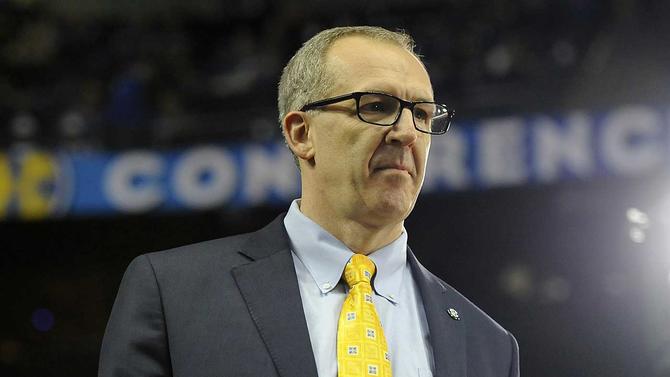
Inevitably, SEC fans will have conspiracy theories after calls go against their team. But that happens anyway now. The SEC said commissioner Greg Sankey and Shaw won't participate in the replay process from the commander center. Sankey will continue to travel to games each week of the season.
"Look, my Dad was an official, he was a coach. I get how hard that is (to officiate)," Florida coach Jim McElwain said. "From the replay situation, there are some bang-bang things that happen. I think having a general clearinghouse is probably a good way to do it as long as it doesn't delay. We'll see."
The bottom line: Collaborative replay is here to stay in college football. The SEC, and some other conferences, will help usher in this important new era in 2016.