Deaths of retired big men prompt players union to provide heart tests
Retired big men are getting free medical checkups provided by the players association

By
Zach Harper
•
2 min read
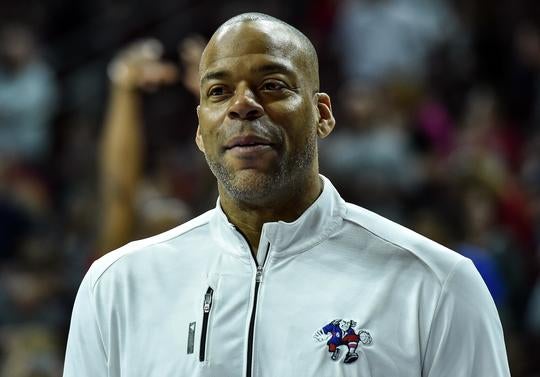
Over the past year, the deaths of retired big men Darryl Dawkins, Moses Malone and, most recently, Philadelphia 76ers assistant coach Sean Rooks have been sad stories trickling into the NBA news feeds. Even Larry Bird has spoken recently about the realities of retired big men not making it to the age of 75.
Not all retired players have the resources to get regular checkups with doctors and specialists to make sure they're healthy.
Recently, the players association has moved toward remedying that problem. Gary Washburn of the Boston Globe tells us that the union has provided free heart screenings for former players in multiple cities, especially in Las Vegas at the end of summer league. Former players like Cherokee Parks have taken advantage of this opportunity, talking to specialists and finding out ways to make sure he has the proper care if a problem arises.
That news, along with the deaths of Darryl Dawkins and Moses Malone in the span of 17 days last year, has created more awareness about heart issues with former players, especially big men. The Players Association decided to hold free heart screenings in various cities for former players, including a screening in Las Vegas during the conclusion of the summer league. At no cost, former NBA players could take heart-related tests, receive up-to-date health information, and speak with cardiologists about how to enhance their quality of life.
One ex-player who took advantage of the screening was Cherokee Parks, who had surgery to repair an aortic valve in 2013 and is a proponent for comprehensive health care for former NBA players. The issue for many ex-players who did not get lucrative contracts may not only be lack of attention to potential health issues, but the inability to afford quality health care if problems are discovered.
Considering the influx of television money, it would be great if the league and the union could find a way to make all of this even easier to access for former players -- especially big men who have a higher risk of heart problems. While this could cost an enormous amount depending on the number of players covered, it would be the right thing to do while also still having plenty of money for the rest of the owners and current players.
That's always easier said than done, but the groundwork that has been laid over the previous decades to create such a wealthy and profitable league shouldn't come at the cost of ignoring former players. This would likely be something to negotiate when discussing the next collective bargaining agreement, which will go into effect in 2017. As for now, it's great the players association has made this effort.