
Panthers trade Dave Bolland, Lawson Crouse to Coyotes for picks
The Panthers cut costs, while the Coyotes add a former first-round pick and extra cap space

By
Chris Peters
•
4 min read
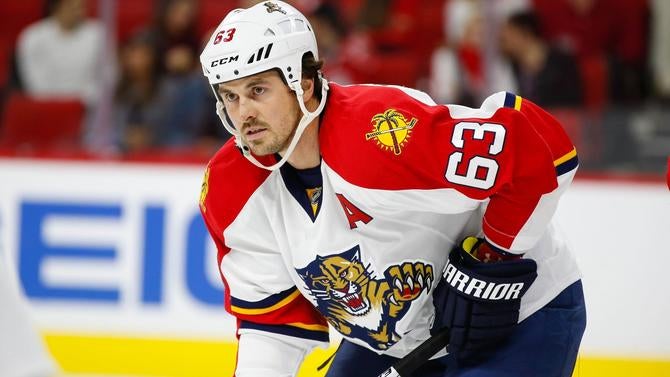
In a surprising trade, the Florida Panthers managed to rid themselves of Dave Bolland and the remaining three years $5.5 million cap hits in a trade with the Arizona Coyotes, per multiple reports. In order to get the Coyotes to take on Bolland's contract, especially as the player continues recovering from a long-term injury, Florida had to give up former first-round pick Lawson Crouse. The Coyotes sent a conditional second-round pick and third-round pick to complete the deal.
This is an interesting decision for the Coyotes to make, but they had the cap space to add Bolland's unsavory contract and end up adding a prospect that could become part of their overall rebuild.
The Panthers, meanwhile, are going to save a ton of money against the salary cap now and also free up two contract slots to keep them away from the annual maximum of 50 signed contracts. While giving up Crouse may end up being a large price to pay to get rid of Bolland, the jury is still out on Crouse's NHL future.
The 19-year-old is a bit of a polarizing prospect because his production rates have not matched his lofty draft position. He had 62 points in 49 games for the Kingston Frontenacs of the Ontario Hockey League last year, which is good, but not great for a lottery pick. He seems to be a likely candidate to remain in junior next season, but the Coyotes surely will give him a chance to prove himself in camp, especially if they were willing to take on an onerous cap hit to do so.
This is the second major prospect the Coyotes have acquired by taking on someone else's challenging cap hit. The Coyotes managed to move up five spots in the draft by taking on Pavel Datsyuk's locked in $7.5 million cap hit. They took Jakob Chychrun with that pick and he immediately became the team's top defensive prospect. Meanwhile, they won't have to pay Datsyuk despite his full cap hit being part of Arizona's salary cap figure.
Even if Crouse doesn't meet the expectations that made him a lottery pick, Arizona still has a lot of other players that look promising in the system already. The deep prospect bench is going to come in handy over these next few years as more veterans move on. Additionally, their abundance in prospects gives them more trade chips.
On top of that, if Bolland gets healthy, the Coyotes can see if he has anything left to offer. If he doesn't, and he's really struggled these last few years, they can park him and a portion of his cap hit in the minors. If he's still injured, they can put him on long-term injured reserve, too. And if they no longer need him taking up cap space, they can buy him out next season, assuming he's still healthy, to lighten the load. They don't necessarily have to be on the hook for the full value of all three of the remaining years.
In taking on the cap hits of veterans who won't be able to play, the Coyotes aren't spending much in actual dollars, either. They don't have to pay Datsyuk, even though his cap hit stays on their books. Chris Pronger, who can no longer play but remains on their cap after last year's trade with the Philadelphia Flyers, has an actual salary of only $575,000. Both of those contracts come off the cap after the 2016-17 season. It keeps them well above the salary floor without taking roster spots away from their younger players who need NHL reps.
Per CapFriendly.com, the Coyotes had only $34.43 million in contracts on its roster on June 21. That's nearly $20 million below the salary cap floor each team has to be over to start the season. They added $36.6 million over that span, which includes Datsyuk's and Bolland's cap hits. They're now well clear of the floor, but their work is not done yet.
Suddenly tight to the cap, the Coyotes are also at the limit of 50 contracts while they still have restricted free agent Tobias Rieder left to sign. So there could be a few more moves afoot in the desert amid what has been an extremely active summer.
From the Panthers' perspective, this trade has been another instance of the team's revamped front office undoing some of the work Dale Tallon did as their GM. The Bolland contract was panned when it was signed and has only proven to work out even worse for the Panthers. Tallon made a lot of good decisions in his role, but that Bolland contract was a nightmare that the team is now lucky to be rid of.
Despite making the playoffs last year, the Panthers' new front office really hacked away at the roster and the team will have an entirely new look next season. With Bolland gone, they also have the flexibility to add players over the course of the season via trade. They look like a team hoping to make a big leap forward in the near future.