Here is the 2017 MLB Draft order now that all qualified free agents have signed
There are only three supplemental first round picks this year

By
Mike Axisa
•
4 min read

Earlier this week, both Jose Bautista and Mark Trumbo signed new contracts with their former teams, meaning all 10 of this offseason's qualified free agents are off the board. Here's our free agent tracker.
Now that all the qualified free agents are signed, the 2017 amateur draft order is more or less final. Here's a look at how things shake out this year.
First Round
1. Minnesota Twins
2. Cincinnati Reds
3. San Diego Padres
4. Tampa Bay Rays
5. Atlanta Braves
6. Oakland Athletics
7. Arizona Diamondbacks
8. Philadelphia Phillies
9. Milwaukee Brewers
10. Los Angeles Angels
11. Chicago White Sox
12. Pittsburgh Pirates
13. Miami Marlins
14. Kansas City Royals
15. Houston Astros
16. New York Yankees
17. Seattle Mariners
18. Detroit Tigers
19. San Francisco Giants
20. New York Mets
21. Baltimore Orioles
22. Toronto Blue Jays
23. Los Angeles Dodgers
24. Boston Red Sox
25. Washington Nationals
26. Texas Rangers
27. Chicago Cubs
The Colorado Rockies (11th overall to sign Ian Desmond), St. Louis Cardinals (19th overall to sign Dexter Fowler), and Cleveland Indians (25th overall to sign Edwin Encarnacion) all forfeited their first-round picks to sign a qualified free agent. The other seven qualified free agents re-signed with their former team, either by accepting the qualifying offer or as a free agent.
Unlike the other major sports, the entire MLB draft order is based on the reverse order of the standings. For teams that have identical records, like Blue Jays and Orioles (both 89-73 in 2016), the tiebreaker is their record in the previous season. The O's went 81-81 in 2015 while the Blue Jays went 93-69, so Baltimore has the higher draft pick in 2017. Easy, right?
Supplemental First Round
28. Blue Jays (for Encarnacion)
29. Rangers (for Desmond)
30. Cubs (for Fowler)
These are the compensation picks for losing qualified free agents. They're also assigned in reverse order of the standings, which is why Toronto's pick for Encarnacion comes first even though he was the last of these three to sign.
Competitive Balance Round A
31. Tampa Bay Rays
32. Cincinnati Reds
33. Oakland Athletics
34. Milwaukee Brewers
35. Minnesota Twins
36. Miami Marlins
Each year, MLB hands out extra draft picks to small-market and small-payroll teams to help promote competitive balance. Here's how the picks are assigned, via MLB.com's Jonathan Mayo:
The Competitive Balance Rounds are no longer determined via lottery. Instead, all teams that fall in the bottom 10 in revenue and bottom 10 in market size will get a pick in Round A, after the first round, or Round B, following the second round. Using a formula that takes revenue and winning percentage into account, six teams were awarded Round A picks, with eight teams getting picks in Comp Round B. The groups of teams will switch in 2018 (meaning there will be eight Comp Round A picks, six in Round B), and will alternate as such for the life of this CBA.
Unlike natural and compensation draft picks, competitive balance picks are tradeable. Yes, these can be traded, but only during the regular season, for whatever reason. Not during the offseason. Also, these picks can only be traded once each, and they must be traded for a player, not cash.
In recent years, when these picks have been traded, they were traded as the third or fourth piece in a package, or straight up for a role player. The Rays won't be able to flip that 31st pick for a star -- at least not based on the history of these picks being traded.
Second Round
37. Minnesota Twins
38. Cincinnati Reds
39. San Diego Padres
40. Tampa Bay Rays
41. Atlanta Braves
42. Pittsburgh Pirates
43. Oakland Athletic
44. Arizona Diamondbacks
45. Philadelphia Phillies
46. Milwaukee Brewers
47. Los Angeles Angels
48. Colorado Rockies
49. Chicago White Sox
50. Pittsburgh Pirates
51. Miami Marlins
52. Kansas City Royals
53. Houston Astros
54. New York Yankees
55. Seattle Mariners
56. Houston Astros
57. Detroit Tigers
58. San Francisco Giants
59. New York Mets
60. Baltimore Orioles
61. Toronto Blue Jays
62. Los Angeles Dodgers
63. Boston Red Sox
64. Cleveland Indians
65. Washington Nationals
66. Texas Rangers
67. Chicago Cubs
The Rockies and Indians both have a pick in the second round after losing their first rounder to sign a qualified free agent. The Cardinals would have had a second round pick as well, but their pick was awarded to the Astros as part of the discipline for the hacking scandal. The 56th overall pick is one of the hacking scandal picks.
Also, the Pirates have an extra pick in the second round. That 42nd overall pick is a compensation pick for failing to sign Nick Lodolo, the 41st overall pick in the 2016 draft. When a team fails to sign a pick in the top three rounds, they get a compensation pick one slot lower the next season.
Competitive Balance Round B
68. Arizona Diamondbacks
69. San Diego Padres
70. Colorado Rockies
71. Cleveland Indians
72. Pittsburgh Pirates
73. Kansas City Royals
74. Baltimore Orioles
75. Houston Astros
The remaining Competitive Balance picks. These eight picks can also be traded. That 75th overall pick is the second pick that went from the Cardinals to the Astros as part of the hacking scandal.
Third Round
76. Minnesota Twins
77. Cincinnati Reds
78. San Diego Padres
79. Tampa Bay Rays
80. Atlanta Braves
81. Oakland Athletic
82. Arizona Diamondbacks
83. Philadelphia Phillies
84. Milwaukee Brewers
85. Los Angeles Angels
86. Colorado Rockies
87. Chicago White Sox
88. Pittsburgh Pirates
89. Miami Marlins
90. Kansas City Royals
91. Houston Astros
92. New York Yankees
93. Seattle Mariners
94. St. Louis Cardinals
95. Detroit Tigers
96. San Francisco Giants
97. New York Mets
98. Baltimore Orioles
99. Toronto Blue Jays
100. Los Angeles Dodgers
101. Boston Red Sox
102. Cleveland Indians
103. Washington Nationals
104. Texas Rangers
105. Chicago Cubs
There are no compensation picks in the third round, so this is the natural draft order. The fourth through 40th rounds -- yes, there are 40 rounds these days -- have the same order as the third round. Clubs can drop out of the draft at any time, but once they pass on a pick, they're out. They can't skip a round and jump back in later.
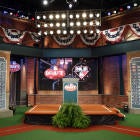
The 2017 amateur draft will begin on Monday, June 12 this year. The draft is a three-day event, with MLB Network broadcasting the first round.