Is Kanye West why Adidas is gaining on Nike? Or is it Stan Smith and Run-D.M.C?
Sneakerheads are convinced that the 'Yeezy Effect' is real, but one market analyst is adamant it's fake

By
Kevin Skiver
•
3 min read
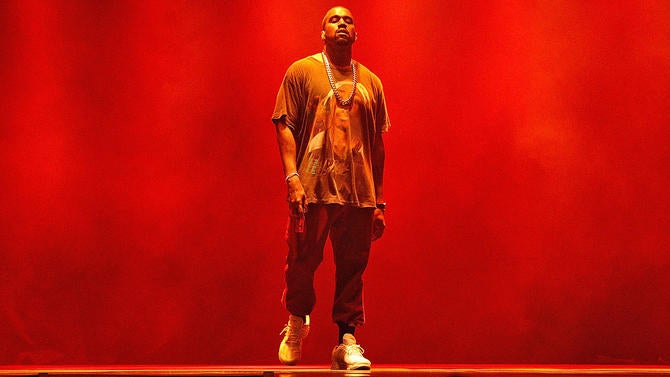
Kanye West has long been a controversial figure, and that controversy isn't just limited to his slightly unhinged persona. A debate has ravaged the sneaker world about whether or not Mr. West himself is responsible for Adidas's recent gains in sneaker market shares. West has made questionable fashion decisions in the past, such as $120 white t-shirts, but his Yeezy line of shoes have been selling like gangbusters, despite limited supply and exorbitant price tags (although perhaps that's part of the appeal).
In the year between May 2016 and 2017, Adidas has seen giant gains in the market, and some are trying to ascribe exactly why.
Adidas went from 6.3% to 11.3% US athletic footwear market share in 1 year. quite a ride. https://t.co/8dMZD6tgfJ $ADDYY $NKE @YahooFinance pic.twitter.com/wWzoTNBqgL
— Daniel Roberts (@readDanwrite) June 23, 2017
The NPD Group saw a jump from 6.3 percent to 11.3 percent in the span of a year, while both Nike and Jordan Brand saw decreases in their shares. Adidas initially signed West back in 2013 away from Nike, and Kanye promptly attacked Nike's business practices. From there, the first Adidas Yeezys were released in February in 2015. Around 9,000 pairs were released selling at a retail price of $350, and they sold out instantly. Since then, every subsequent Yeezy release sells out in seconds, with pairs often fetching over $1000 on eBay for resale.
Matt Powell, who works for NPD Group (which provided the market share data), vehemently denies the idea of the Kanye Effect. Adidas sold nearly 300 million shoes in 2016, and Powell believes that the supply of Kanye's line is so low that it's impossible that he's behind the rejuvenation. "I'd be surprised if they made 50,000 pairs of Kanye West shoes," he said.
"They signed West at about the same time they moved all those people from Europe to the US. And the business didn't turn around for two years," Powell continued. "So I've got to believe his influence is relatively limited. If he had the kind of influence people want to bestow on him, why did it take two years?"
Others believe that the effect simply isn't that tangible. "It is the success of the Adidas partnership with Kanye West that is contributing to this positive story," said Josh Luber, the founder of StockX, to High Snobiety.
Powell asserts that Adidas spent "$10 million for nothing" and thinks that the effect is due to people wanting to believe West is an influential individual. He cited Rihanna and PUMA as a partnership that paid immediate dividends, and didn't take two years to get started. Back in May 2014, Powell wrote on Kanye's collaboration with Adidas, posing the question of whether it would pay off. He has stuck to the points of that article, saying that high demand of a limited release does not equate to commercial success, but merely low supply to match artificial demand.
"Because these limited shoes are in high demand," he writes, "there is often a mistaken assumption that they could or would sell well in commercial quantities." He cited the commercialization of Reebok's collaborations with Jay-Z and 50 Cent, both of which failed miserably when they tried to mass produce shoes that sold out when they were limited. He also expressed concern over brands paying artists, claiming that "first, fans and sneakerheads now know that these artists are getting paid, reducing the specialness that comes from collaborations and two, the brands will now be pressured to monetize these relationships by selling a lot of shoes."
With this in mind, Powell is entering the Yeezy Effect debate with a clear theory. Since Adidas will likely never mass produce the Yeezy line, it's unlikely that we'll ever know for sure just how much influence Kanye has over Adidas's seemingly meteoric rise. Powell has offered an alternative explanation: a sudden improvement in technology around the Boost line and a revamp of the Stan Smiths and Superstars -- shoes originally created by an Adidas designer for Run-D.M.C back in 1986 near the dawn of sneaker culture. (A year earlier, Nike dropped its first Air Jordan sneaker.) The Stan Smiths and Superstars are part of Adidas's Originals line, which has seen the most growth during their influx of market shares.