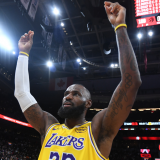

LeBron James talks super-teams, compares them to 'hiring the best guys'
Cavaliers star likens talent combination to hiring executives.

By
Matt Moore
•
2 min read

One of the ways that pro sports have changed dramatically over the past 15 years is that the world's best athletes are no longer insulated from the rest of the "successful" class. They have access to great minds, media moguls, billionaires, musical artists, and more. LeBron James has taken advantage of this as much as anyone. He's friends with Warren Buffet and is part owner of a Premier League team. He's expanded his brand into being a legitimate force in culture and business.
So it's no surprise that access to that world has influenced his thinking on things that involve basketball. In a podcast with Open Run (as part of his investment in "Uninterrupted"), James talked about the moves that players have made to form super teams, like James did with the Heat, or Kevin Durant's decision to sign with the Warriors. He likened it to being a CEO and wanting the best people with you.
"You look at Fortune 500 companies and you look at great CEOs, they don't go hire a CFO that's (considered) 50th on the chain," James said. "They go hire the No. 1 guy. They go hire the No. 1 guy. It's like they all go hire the best guys because, listen, they know those guys are going to help them be successful. It's different how it's portrayed in our sport, which is fine, because I love the competition."
This is pretty sound reasoning. Why would you want to work with lesser people? If you consider yourself a business, and the players definitely do, why would you want to surround yourself with people who aren't the best you can to work with?
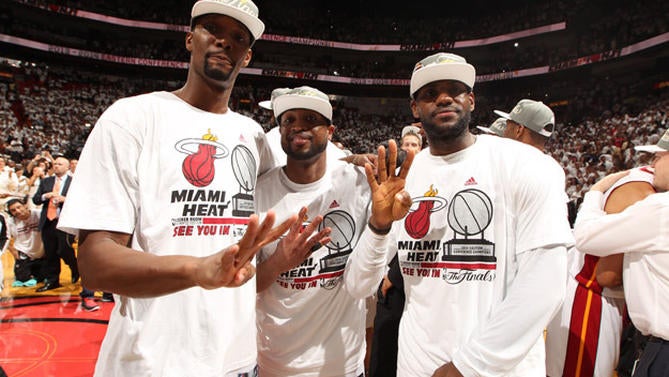
But then, what James is saying here fundamentally challenges a long-held cultural construct about players and teams. He says "hire a CEO," except that there's a reason that James has consistently denied that he is in charge of management decisions with the Cavaliers. Players are supposed to play, owners own, general managers manage, etc. James making this comparison is saying that as a great player, you have the right, and the obligation, to bring on players of a good enough caliber to "help them be successful."
It's an interesting insight into the difference in how players really think of themselves, as these independent forces working within the system of ownership and teams, vs. how they present themselves most often in media scrums, "I'm just a player, those aren't my decisions to make." It's part of an empowerment process we've seen in the league over the past 15 years, as self-aware superstars try to balance the levers of control with ownership.