Football Manager 2021 and the challenge of mirroring reality, but not too much, in the age of COVID
One of the world's biggest football games balances reflecting the sport's new normal and offering an escape from it

By
James Benge
•
6 min read
It has been the defining issue of football's 2020-21 season. COVID-19 has ravaged the sport and as a second wave spreads across Europe and beyond clubs are having to deal with the ramifications of their players contracting the virus.
Last weekend Mohamed Salah was unavailable for Liverpool's top of the table clash with Leicester City, Luis Suarez missed his reunion with Barcelona whilst Tottenham had to do without key defender Matt Doherty for their game against Manchester City.
And yet, for those playing perhaps the world's most detailed and realistic depiction of football, coronavirus goes largely unnoticed. The Football Manager series has delighted millions of gamers around the world by giving them a chance to take a facsimile of the real world and shape it their own way, to deal with the tactical, financial and physical challenges that managers face every day. But the pandemic will not be one of them.
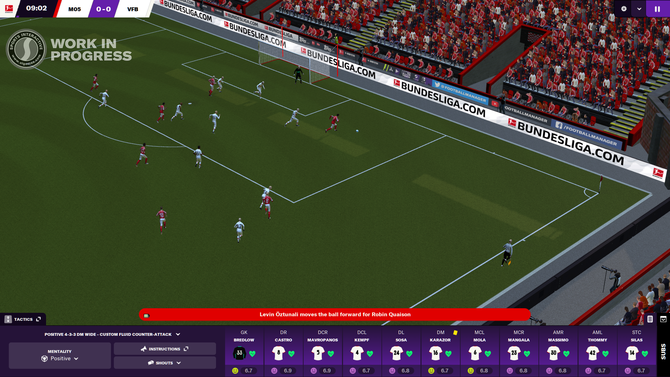
This year's iteration of the game, released earlier this month, is not '"COVID-free" but virtual coaches will not see players contract coronavirus as they might a common cold or food poisoning (both of which appear in game and force game players to decide whether to isolate one individual squad member or rush them back to training). Nor will the empty stadiums that have been a sad sight for supporters across Europe.
Club finances have suffered the same virtual decimation they have in the real world, and the transfer market reflects the events of the summer, but no virtual manager will have to deal with coronavirus hitting his squad.
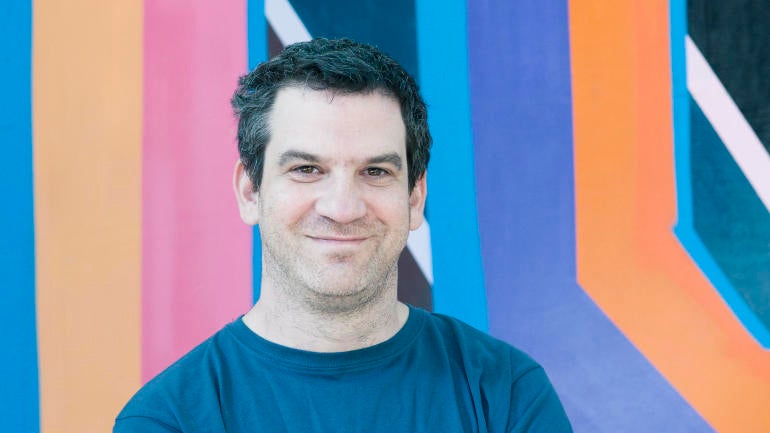
"We couldn't just look at the real football world, we also had to look at people's mental health," says Miles Jacobson, studio director of the game's developer, Sports Interactive (SI). "And that might sound like a weird thing, right? But people are spending a lot of time playing Football Manager.
"Some of those people have been ill. Some of those people have family members who have been ill. Some of those people are really, really worried about the virus.
"We had to be really careful about triggering people, and triggering their PTSD. A lot of people who've had the virus and recovered are still suffering from long term issues with it, and have had some PTSD off the back of it."
Jacobson lost people close to him due to the virus and knows others who are still suffering after a battle with it. He himself has avoided it by "locking myself in a room for the last six months and hardly going out".
He and the rest of the SI team would hardly want the most dispiriting aspects of 2020 creeping into a game that has proven to be a welcome release from the real world for many.
"There are some things that we can't avoid," he says. "Football clubs have less money, the transfer system has changed because of that. So we've got that in there. But empty stadia are rubbish, right? Rubbish in real life, rubbish in game as well. You know, we've tried them out and gone, 'nah, this is rubbish.'
"We didn't add it in as an injury because it would destroy somebody's game, it would destroy somebody's save if COVID started ravaging through the squad. And whilst whilst that could well happen in the real world, and has because we've seen games being postponed, left, right and center, it just reminds people of what's going on out there."
That was not necessarily a universally popular view with his developers nor with a subsection of its player base either, he says. For some Football Manager is so beloved precisely because of how it allows gamers to manipulate what feels like the real footballing world. Jacobson compares player saves to the Marvel Cinematic Universe in the sense that even though no game is quite real there is an internal logic to the world that makes it feel tangible to its consumers.
Of course what feels real and reality are not always the same. Jacobson reveals that injuries have occurred with "80 or 90 per cent" of the frequency in game that they happen in the real world "and people still complain that it's too high".
Football Manager 2021 diverges from this one fundamental aspect of modern football at the end of a year when it proved to be a vital salve for those in lockdown. A record 1.8million people played its 2020 edition, which was made available for free during a two week period in March. Before they gave the game away, their previous record for concurrent players on the game had been 80,000, after it stood at 189,000. The average player spent 500 hours with their copy of FM20, double the previous year's record.
Such demand for the game has seen numbers at Sports Interactive swell with the studio size increasing by 20 percent as developers battled the labyrinthine challenge of making a new iteration from home. Similar issues have dogged some of the year's biggest releases with The Last of Us Part II and Halo among the blockbuster games to be delayed due to COVID-19. Meanwhile major sport franchises such as Madden NFL and FIFA were met with lukewarm critical reception for games that did not have significant feature updates.
Though Sports Interactive did not want COVID-19 to be the ravaging presence on squads, the past few months had to be reflected in a radically overhauled transfer system which reflects the paucity of cash across the sport.
985. Million. Goals. 🤯
— Football Manager (@FootballManager) August 8, 2020
The very best facts and stats from #FM20 so far. pic.twitter.com/42hxWSztj3
Players looking to move on fringe squad players for big transfer fees will face the same challenges that so many top European clubs faced this summer with far more loan to buy deals and top talent being sold on the cheap. The market eventually resets itself back to what passes for normality in football but Jacobson notes that making for a realistic summer window was far greater work than the "few lines of code" it might have taken to keep fans out of stadia or add coronavirus as an illness.
"That was a huge challenge and wanting to do that meant that a bunch of other features that we were originally planning on working on in January or February, loads of them got moved to the future versions of the game, because we had to make sure that we got this nailed."
Ultimately FM21 had a minor three week delay of its own from its initially envisaged launch date but Jacobson says there was never so much as a conversation with publisher Sega about cancelling this year's iteration. It launches without the feature set he and his team initially envisaged but with a string of additions including a revamped communication system and an expected goals model.
"We were absolutely determined to make sure that our consumers, the people who play our games, were getting the best possible experience that they could get, and that we weren't doing something about half assed," says Jacobson. "We know that we've been a good escape for people from the, let's be honest, not great real world that we're living in at the moment."
For the time being at least, football will reflect the travails of the real world in its stadia and its lists of absentees. But should that prove to be a strain on supporters across the globe they will once more be able to turn to Football Manager to find a diversion, a reminder of the sport as it is meant to feel.