Ex-NFL running back LeShon Johnson guilty in grand scale dog-fighting, trafficking case in Oklahoma
The former third-round pick played for three different NFL franchises

•
1 min read
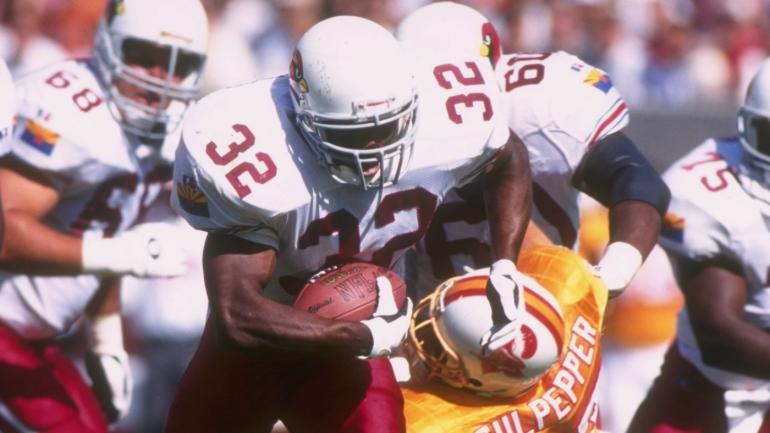
Ex-NFL running back LeShon Johnson has been found guilty on six felony counts stemming from charges related to the biggest federal dog-fighting case of all-time earlier this year in Oklahoma.
According to a release Monday from the Office of Public Affairs and desk of FBI director Kash Patel, a jury found Johnson guilty of breeding and trafficking dogs for fighting across multiple Oklahoma towns, while also profiting from within the illegal industry. Authorities reportedly seized the 190 dogs from Johnson's property as part of his "Mal Kant Kennels" operation.
The Department of Justice says this is the largest number of animals ever seized from a single individual in a federal dog fighting case.
"This criminal profited off of the misery of innocent animals and he will face severe consequences for his vile crimes," Attorney General Pamela Bondi said in a release. "This case underscores the Department of Justice's commitment to protecting animals from abuse — 190 dogs are now safe thanks to outstanding collaborative work by our attorneys and law enforcement components."
The dogs were seized in October 2024 under the Animal Welfare Act. Johnson faces a maximum penalty of five years and a fine of up to $250,000 on each guilty felony count. Johnson had a prior state conviction for dog fighting in 2004.
"The FBI will not stand for those who perpetuate the despicable crime of dogfighting," Patel said. "Thanks to the hard work of our law enforcement partners, those who continue to engage in organized animal fighting and cruelty will face justice."
Top 10 NFL players at each defensive position: CBS Sports staff ranks best 2025 pass rushers, cornerbacks
Cody Benjamin
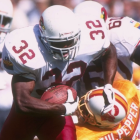
Johnson spent five seasons in the NFL, mostly with the Arizona Cardinals, after he was voted a unanimous All-American at Northern Illinois in 1993. Selected by the Green Bay Packers in the third round of the 1994 NFL Draft, Johnson later played three seasons for the Cardinals from 1995 to 1997.
Johnson battled through a cancer diagnosis in 1998 before returning to the field for the New York Giants for his final season in 1999. His playing career ended the following year with the Chicago Enforcers of the XFL.
According to the Department of Justice, the FBI's New Orleans Field Office and the Shreveport Resident Agency office were responsible for investigating the case against Johnson.