Financial dispute between NASCAR, race teams over revenue split spills into public eye
Race teams are seeking more revenue in the next media rights deal

•
3 min read
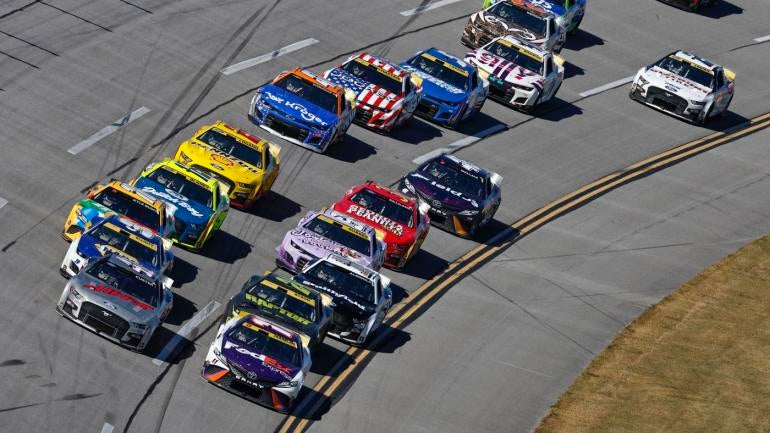
NASCAR race teams took to the media on Friday to voice their concerns about a financial dispute with the league over the sport's next media rights deal, indicating that the two sides are far apart in negotiations on changes to NASCAR's economic model. The dispute concerns the amount of money that race teams will receive when the sport's next media rights deal begins in 2025.
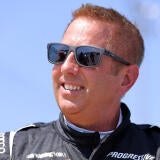
According to Adam Stern of Sports Business Journal, four race team executives -- NASCAR Hall of Famer and Hendrick Motorsports vice chairman Jeff Gordon, Joe Gibbs Racing president Dave Alpern, RFK Racing president Steve Newmark and 23XI Racing investor Curtis Polk -- met with members of the media in Charlotte on Friday, where they expressed that they had not made progress with NASCAR in negotiations. The race teams claimed that they had sent a seven-point proposal to NASCAR months ago, but received an answer last week that was not to their liking.
The chief issue at hand is an economic model that has teams rely on sponsorship money for most of their revenue (anywhere from 60 to 80 percent), a model which has become far less tenable as major sponsorship has become more difficult to obtain and retain. Presently, NASCAR race teams only receive 25 percent of the revenue from the sport's current media rights deal, compared to 65 percent that goes to race tracks and 10 percent that goes to NASCAR itself.
According to The Athletic, the desire of the race teams is the ability to make a profit or at least break even on their expenses. However, a NASCAR counteroffer submitted last week offered to help reduce current expenses while only offering a small increase in revenue -- a proposal the teams feel is untenable, as it would require massive layoffs of race teams' workforce and would stifle innovation, thus having a negative impact on competition.
Compared to other leagues, NASCAR is different in that its race teams are technically independent contractors, even as the Charter system adopted in 2016 has created more of a franchise-style system that gives chartered teams certain revenue. But given that race teams rely far more on sponsorship revenue than teams in other sports leagues, the piece of the pie they receive and the way they factor into the big picture is quite small: According to race team calculations, 93 percent of NASCAR's current value is represented by the sanctioning body and its tracks compared to just seven percent for its race teams.
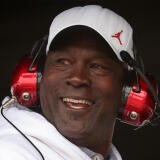
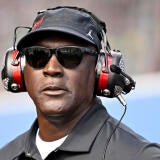
"There's a total misalignment of interests," said Polk, the longtime business partner of 23XI co-owner Michael Jordan. "As a result, the economic model is broken for the teams. … The sustainability of the teams in this sport is not very long-term unless we have a fundamental change in the model."
In response to race teams' contentions, NASCAR issued the following statement on Friday afternoon:
"NASCAR acknowledges the challenges currently facing race teams. A key focus moving forward is an extension to the Charter agreement, one that will further increase revenue and help lower team expenses. Collectively, the goal is a strong, healthy sport, and we will accomplish that together."
While there have been several changes in NASCAR's leadership since the sport's current media rights deal began in 2015, the sanctioning body is still owned by the France family that founded it -- Jim France took over from nephew Brian France in 2018 as NASCAR CEO and chairman. NASCAR is expected to begin formal media rights discussions with broadcast companies in 2023, as was the case when the current media rights deal was agreed to in 2013.
It should be noted that race teams made a point that they are trying to find an "equitable solution" with NASCAR, suggesting that a split with the sanctioning body is not currently a consideration. Past precedent in American auto racing suggests that would be unwise, as the infamous CART/IRL split in IndyCar racing had disastrous results for all parties involved and greatly aided NASCAR in overtaking IndyCar as America's premier form of auto racing.
The race teams going public with their financial concerns continue what has been a difficult fall for NASCAR as a sanctioning body, which has been dealing with multiple public-facing crises at once. The sanctioning body, for instance, has come under fire from its drivers after a series of injuries stemming from routine-looking crashes led to widespread outcry about safety issues with the Next Gen car.