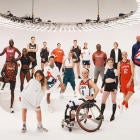
Nike reveals official apparel for 2020 Tokyo Olympics, including technology from controversial sneakers
Find out what American athletes will be wearing in Tokyo this summer
•
1 min read
Nike revealed the competition apparel it will be giving to its athletes during the 2020 Olympic Games in Tokyo. The highlighted clothing includes uniforms for sports such as basketball, track and field, and skateboarding apparel to wear on the medal stand and different sneakers that include technology that has received some scrutiny from the international community as of late.
Take a look at some of the uniforms and apparel below:
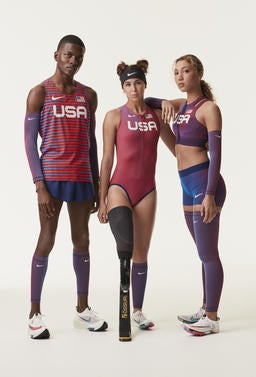
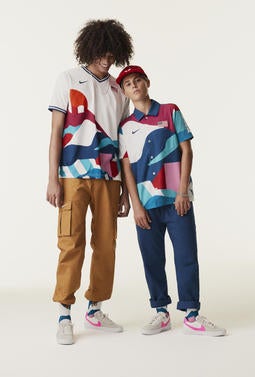
The apparel falls in line to two major tentpoles that the company wants to focus on for these upcoming Olympics. The first is creating high performance product backed by science with proven benefits to the athletes. The second is protecting the future of sport with an eye on sustainability and mindfulness of climate change.
"Ahead of competition in Tokyo, Nike debuts progressive new collections featuring sustainable materials for all athletes," Nike's site reads. "As the growing climate crisis continues to disrupt competition and training, Nike's sustainable innovations signal the brand's commitment to helping protect the future of the planet - and, consequently, the future of sport."
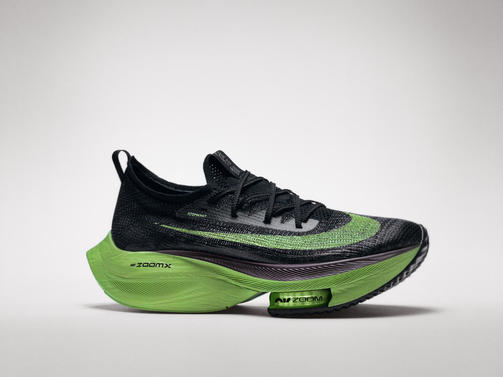
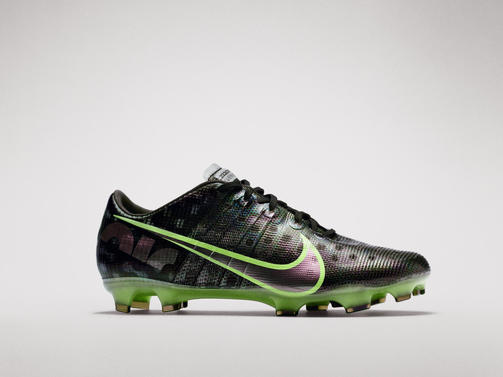
Shared among the four sneakers released -- the Nike Air Zoom Mercurial, Nike Air Zoom BB NXT, Nike Air Zoom Viperfly and Nike Air Zoom Alphafly NEXT% -- are bits of technology from the controversial AlphaFly, which required judgment from World Athletics, the global governing body of track and field, on whether they gave too much of an advantage to athletes who used them. The organization ultimately decided that the sneaker, which Eliud Kipchoge wore to run the world's first-ever sub-two hour marathon, would be approved provided that manufacturers followed certain stipulations from then on out.
One controversial aspect of the AlphaFly technology is its wider carbon fiber plate, which Nike says "provides stability and a smooth transition" for the wearer.
No other global sports governing body has made any remarks or decisions on the technology getting applied to sneakers in other sports -- in this case basketball, soccer and sprinting track events.