How sportsbooks were impacted by "chalky" college basketball tournament
All four top seeds advanced from their respective regions for the first time since 2008. Here's how this impacted sportsbooks

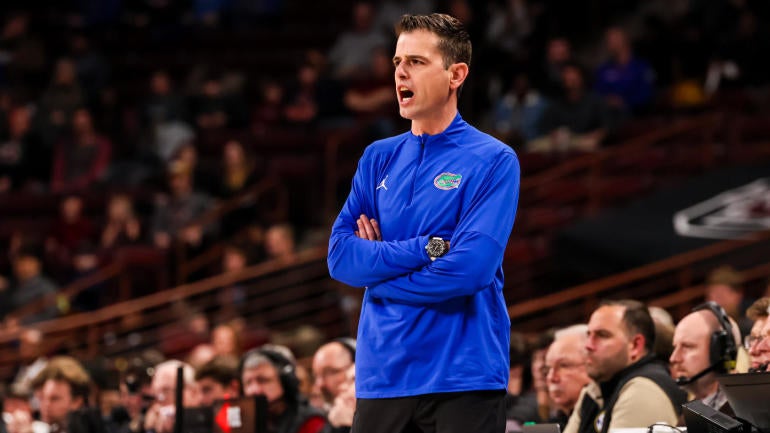
It's not typical for all the No. 1 seeds in the college basketball bracket to advance to the semifinals. In fact, since seeding was introduced in 1979, the top four seeds have all made it out of their respective regions just twice. The first instance was in 2008, and it happened again in 2025. Ironically, both the 2008 and 2025 national semifinals and title game took place in San Antonio over the exact same dates, April 5 and April 7. So how did a "chalky" bracket impact the sports betting industry?
The "chalk," which is the term used when the higher seed keeps advancing, extended beyond the last weekend. The last eight teams standing had four No. 1 seeds, three No. 2 seeds and one No. 3 seed. The last 16 teams standing had all the No. 1 and No. 2 seeds, two No. 3 seeds and three No. 4 seeds. This has undoubtedly impacted sportsbooks, which typically benefit from a lot of bettors backing favorites and then those favorites faltering.
How much money is bet on basketball tournament?
According to the American Gaming Association, the country was expected to legally bet around $3.1 billion on the men's and women's basketball tournaments. That's a $400 million increase from what the association reported a year ago, with $2.7 billion. With the favorites winning at a higher rate than previous tournaments, this increased handle gets an additional boost. When bettors are winning, they are more likely to continue betting.
Oddsmakers usually adjust betting lines to reduce exposure. This tends to work in their favor during the tournament, where favorites don't usually win at absurdly high rates. In this year's tournament, favorites went 12-0 in regional semifinal and final action. The heavy favorites, those who were favored by eight points or higher, went 21-0 overall in the tournament. Those levels of winning hurt sportsbooks because they have to pay out a lot in moneyline parlays, with bettors combining multiple favorites into one bet. With zero heavy favorites going down, the liability on parlays increased. However, sportsbooks did get some relief with Houston pulling the rug out from under Duke in the final minute of the national semifinal Saturday night. The Cougars would've further benefitted sportsbooks had they not collapsed in the second half of the title game against Florida.
Impact on live betting market
Basketball is often a game of runs, and that can skew the live betting lines significantly. Teams that held a halftime lead were 25-38 against the spread for the second half. That snapped a six-year tournament streak where teams leading at halftime were .500 or better on the second-half spread. With so few games having drama at the end, live bettors didn't have much interest in making wagers.
Do the sportsbooks need an underdog to win?
Having a Cinderella team emerge in the tournament is good for fans, but the impact on sportsbooks can be more plateaued. While some bettors could cash in big on a lower seed breaking through, this is offset by the favorites still receiving most of the handle. Eventually, the Cinderella run ends and the sportsbooks make up any lost revenue. They can also make up the market in futures odds. For example, No. 16 seed Fairleigh Dickinson upsetting No. 1 Purdue forced sportsbooks to pay out large sums to bettors who took the underdog, but that was offset by Purdue game and futures bets. Fairleigh Dickinson would end up losing in the next round, and those bettors likely sent a good chunk of their winnings from the first game back to the sportsbook supporting the underdog again.
In the end, sportsbooks will make up their money across the sports seasons. One chalky basketball tournament is unlikely to start a larger trend of favorites winning across every NBA, MLB, NHL and NFL season.