SANTA MONICA, Calif. -- Prior to Baron Davis becoming one of the defining pillars of Los Angeles basketball -- long before he became the first L.A.-raised NBA All-Star to attend UCLA and play professionally in the city since Gail Goodrich in 1975 -- he had a choice to make.
Let's go back 24 years. At the time, Davis was in middle school in South Central Los Angeles. It's a place long known as one of the most dangerous places for children in America, but the volcano was especially bubbling over during this time period. The Los Angeles riots that began in South Central engulfed the city. Gangs such as the Crips and Bloods ran rampant throughout, and unaffiliated citizens of the 51.8 square mile area needed a pass to just walk through certain areas.
“For kids growing up in South Central Los Angeles, they have to survive first," Davis told CBSSports.com about his childhood. "They have to be aware of their surroundings. They have to have survival skills. Whereas a kid growing up in say, Brentwood, is not surviving. They just can go, and be, and figure out who they are. So that’s how it was as a kid growing up. You’re thinking about surviving. You’re thinking that you’ve got to assess the situation of whatever environment you get into, and you’ve gotta learn this stuff early because you don’t want to be the person who ends up in the wrong place at the wrong time."
That's the environment in which Davis spent his formative adolescent years, and that's the situation that you have to understand about what happened next in his life. At 13 years old, Davis was offered an opportunity to attend Crossroads School, a private establishment in Santa Monica attended by the sons and daughters of film stars including, at the time Davis was there, actress Kate Hudson.
Yes, Davis would still live at home in South Central in what he describes as a night-and-day difference in socio-economic climates that he'd experience daily. But the ability to go school elsewhere gave him a chance to get away from the South Central environment and away from a school system that spends time teaching kids those survival instincts Davis described instead of, as he put it, artwork, or something along those lines.
More than anything, it was an opportunity for Davis, and one that he seized in fashion on his way to becoming an L.A. hoops legend.
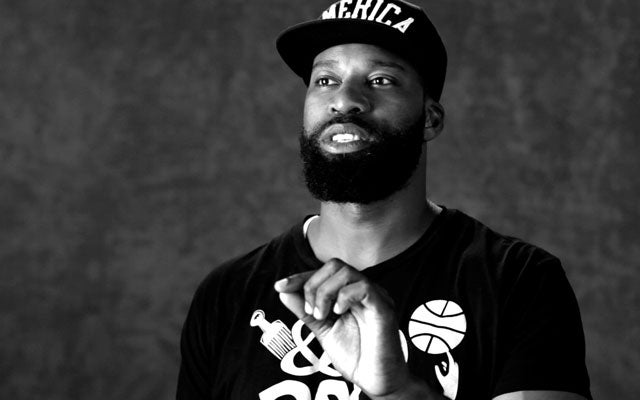
This idea permeates Davis' initial directorial effort, The Drew: No Excuse, Just Produce that premieres on Showtime on Friday at 8 p.m. ET.
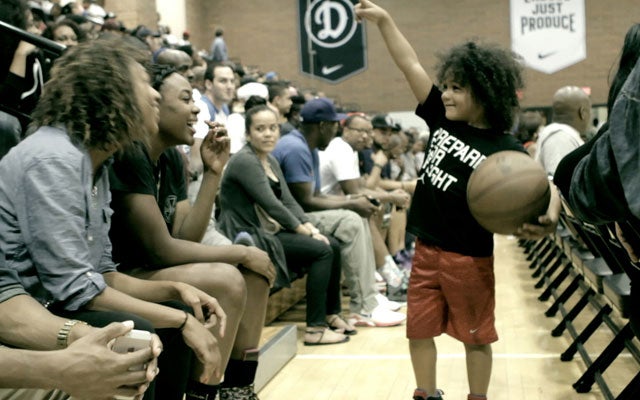
The Drew is about the eponymous Drew League in South Central Los Angeles and the characters who inhabit it. Davis not only explains how the league grew from its origins to the top pro-am summer league in the nation, but also the reasoning behind why all-stars Kobe Bryant, LeBron James and Kevin Durant have played in games there. Davis introduces us to the people who have created and run the league for the 40-plus years of its existence.
Davis began playing in the league when he was just 13 years old, right around the time when he moved to Santa Monica. It provided yet another outlet for him to avoid getting caught up in the same lifestyle many in the South Central area do.
That's what he wanted to show in the film, and what he ably accomplishes with his vision.
“Basketball unites people," Davis said. "That’s the best thing about the game. It brings people from all walks and all ages and it brings them together."
The project didn't necessarily start with bigger picture ideas though. Davis had wanted to create a documentary about The Drew since before his playing days ended. But the catalyst for him came five years ago during the lockout. NBA players from all over the country flocked to South Central to play in the league. It started with them trying to get some competitive run, but then morphed into something larger as stars like Durant, James and Bryant began playing in it. That's when Davis realized that the time was now to start filming, and some of the film's footage comes from that long ago.
Still, the film's initial conception back then was something more rudimentary. Just a documentary about inner city hoops, basically.
“We were going to make a basketball documentary," Davis said. "Just about the legends, and the guys, and the game. But then we realized there’s a bigger story here."
As the years continued to unfurl and Davis would continue to take time each summer to film, racially-charged current events continued to bubble over throughout the country.
"It just kept evolving because we kept seeing what this thing meant to the people there, and how it was relatable to everyone in America and what we were going through at the time we were filming," Davis said. "From Trayvon (Martin), to Ferguson and all that stuff, and while we’re making this film it’s like ‘Damn.’”
“This (film) is something positive. It’s showing minorities in a positive environment in an impoverished neighborhood giving hope.”
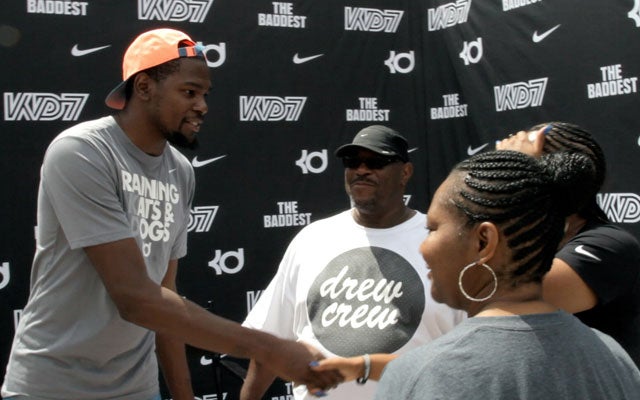
That's what Davis hopes resonates with audiences most in this specific film. It's the opportunity that The Drew created for superstars to connect with their fans. The opportunity for players like Alan Williams, or Trevor Ariza, or Pooh Jeter to hone their craft in the summer. The opportunity for players like Kenny Brunner to rehabilitate their lives after downturns. Oh, and the opportunity the league has created for hundreds of at-risk teenage or young adult males to focus their efforts on something meaningful.
It's what Davis hopes to continue doing as his playing career winds down and as he continues to move forward into the content creation industry. While he and his company are mostly known for documentaries at this point, Davis hopes to branch out into other parts of the entertainment industry as well. Animation. Short form content. TV pilots. Digital movies. Even books.
“For me as a producer, I want to create the next classic films and television shows," Davis said. "A lot of people say that, but one, it starts with a dream. And it also starts with the work. I’ve put a lot of work in developing ideas and developing projects that will have a different voice that will ultimately be a game-changer."
He wants to take risks and think outside of the box creatively. And if he takes some lumps along the way, so be it. That's what comes with the territory of moving beyond what people think of him now. While Davis admits that the responsibility that came with being an NBA All-Star occasionally got to him, he now points out that the freedom he has to do what he wants is equally as liberating. It's a major part of the reason that, after three seasons out of the NBA, Davis came back and played in the D-League this season with the Delaware 87ers.
“I’m at a point in my life where I just don’t care," Davis said. "That’s why I play basketball now. I don’t care what people say or think of me now. Just once, I’m actually going to play basketball without worrying about what people have to say. There’s no pressure. There’s just a great opportunity to play and enjoy the game and be at peace with the game. At this point, none of that s*** affects me.
"The path that I’ve taken, the road that I’ve traveled has led me to do things like (The Drew), so I’m not really worried about appeasing anybody. I want to shine a light on people and stories that inspire.”
It's been a circuitous route, but one that's led to Davis not only being at peace with himself, but also with his game despite the waning skill that comes with age. It's that game that's taken him from South Central to Santa Monica to Westwood to the NBA and now back to South Central, where he still lives today.
Davis explained how important that legacy of being a Los Angeles hoops legend is to him.
“It means a lot to me, especially when it comes to basketball," Davis said. "You live on what your basketball pedigree is. Especially here in L.A. That’s what people talk about. That’s the biggest impression you can leave them. For someone to walk away and think, ‘yeah, I’m f***ing with him. He’s dope.'"
With The Drew, the man who has earned so much respect in Los Angeles with his game has given back his love letter to hoops within his city.